68%
First-round Scopus rejections

Research support structural integration
Researchers often fail at formatting, journal fit, and writing conventions despite strong underlying data. We provide the structural bridge that mentorship gaps leave behind.
68%
First-round Scopus rejections
40%
Theses requiring major revisions
2%
Researchers reaching international publication
4,500+
Predatory journals in circulation
1 in 6
PhD students with continuous mentor access
Our infrastructure targets specific points of failure. These are the obstacles we systematically bypass during our drafting and formatting phases.
Committees expect depth in literature review, methodology, and discussion—often without a clear map of what “enough” means.
First submissions frequently fail on fit, abstract strength, formatting, or incomplete literature positioning.
Coursework, research, teaching, and personal commitments compete with writing to publication standard.
High supervisor ratios make deep, continuous writing guidance difficult to access.
Accidental similarity from weak paraphrasing or missing citations can derail a degree or publication.
Thousands of outlets misrepresent indexing; legitimate targets require careful verification.
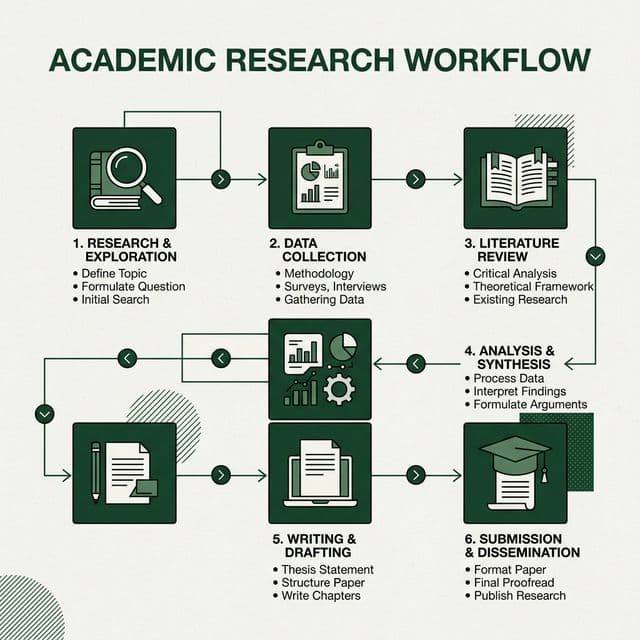
Step 1
Requirement and institutional guideline mapping
Step 2
Subject-matched PhD scholar assignment
Step 3
Structured writing in academic register
Step 4
Three-stage quality and similarity review
Step 5
Delivery with revision cycle support
We support a broad spectrum of rigorous academic fields. Need a niche sub-specialization? We will confirm domain availability before commitment.
Predictable workflows mean predictable delivery.
Every delay compresses your review window. Start with a scoped brief today and bypass the structural friction.